Recovery rarely happens according to a calendar. For someone rebuilding life after a serious mental health condition, progress may begin with something as simple as getting out of bed, following a routine or feeling comfortable around others again.
So, how long does mental health rehabilitation take?
There is no fixed timeline. Some people begin making meaningful progress within weeks or months, while others need longer periods of structured care, sometimes extending over years. The duration depends on the person’s condition, treatment needs, everyday functioning and support system.
At AVIEW (A Village for Independent and Enterprising Women), rehabilitation for destitute and abandoned women living with mental illness is approached as a gradual process. Alongside psychiatric care, women receive support to rebuild daily routines, develop practical skills and move towards greater independence.
Understanding this process begins with recognising that recovery involves more than a reduction in symptoms.
What Is Mental Health Rehabilitation?
Mental health rehabilitation helps people regain or strengthen the abilities needed to manage everyday life while living with a mental health condition.
Psychiatric treatment generally focuses on managing symptoms through medication, psychological therapies and other clinical interventions. Rehabilitation builds upon that treatment by addressing how a person functions in daily life.
This may involve rebuilding personal-care habits, improving communication, managing responsibilities, developing social connections or learning vocational skills.
According to the National Institute for Health and Care Excellence (NICE), psychiatric rehabilitation for people with complex psychosis should be individualised, recovery-oriented and designed to help people progress towards their greatest achievable level of independence.
This distinction matters because someone may experience significant clinical improvement while still needing help with ordinary activities.
Treatment addresses the illness. Rehabilitation also addresses the life affected by it.
How Long Does Mental Health Rehabilitation Usually Take?
There is no universal 30-day, 60-day or 90-day rehabilitation period suitable for everyone.
Some people require relatively brief structured support before returning to familiar routines. Others may need several months of residential rehabilitation, while those with complex psychiatric conditions may benefit from longer-term specialist care and supported accommodation.
For context, NICE describes expected stays of approximately one to two years in certain specialist community rehabilitation units for people with complex psychosis. This is specific to that type of service and should not be treated as a standard recovery timeline for every person or programme.
The rehabilitation process is better understood through stages of progress rather than fixed deadlines.
Initial Assessment and Stabilisation
The first priority is understanding the person’s physical and psychological needs.
This may involve psychiatric assessment, medical investigations, prescribed treatment, counselling and establishing a safe, supportive environment.
For women who have experienced homelessness or prolonged neglect, immediate needs may also include proper nutrition, personal hygiene, clothing, rest and treatment for existing physical health conditions.
At this stage, progress might mean sleeping more regularly, eating consistently, feeling safer or becoming more comfortable communicating with caregivers.
These are meaningful improvements, even when larger rehabilitation goals remain some distance away.
Rebuilding Everyday Skills and Confidence
Once a person begins experiencing greater stability, rehabilitation can increasingly focus on everyday functioning.
Activities such as bathing, dressing, preparing meals, managing personal belongings and participating in household routines may gradually become part of recovery.
The process is not always straightforward. Someone may manage a task independently one day but need additional assistance another day.
What matters is developing skills at a pace that respects individual abilities.
AVIEW explores this connection in its article on life skills and mental health recovery, highlighting why ordinary daily activities can become important milestones towards independence.
Developing Social and Vocational Independence
As rehabilitation progresses, attention may shift towards relationships, community participation and meaningful occupations.
For some people, this means becoming comfortable in social situations again. For others, it involves learning practical skills, pursuing education, participating in creative activities or exploring opportunities to earn.
This phase of psychosocial rehabilitation helps people develop confidence and a sense of purpose beyond their diagnosis.
However, independence does not look identical for everyone.
One woman may be ready to manage most daily responsibilities herself. Another may continue to benefit from supported accommodation or regular assistance.
Both can represent meaningful recovery.
Transitioning Into Community Life
Returning to family, moving into supported accommodation or beginning independent living can represent another important stage.
But leaving a rehabilitation facility does not necessarily mean the recovery process has ended.
Medication reviews, counselling, family support and regular follow-ups may remain necessary, particularly when someone has experienced a severe or recurring mental health condition.
This is why long-term mental health care should focus not only on helping people make progress but also on supporting them as their needs change.
What Factors Affect the Duration of Psychiatric Rehabilitation?
Two people with similar diagnoses may have very different recovery experiences.
Several factors can influence how long psychiatric rehabilitation takes.
The Nature and Severity of the Condition
The type of mental health condition, severity of symptoms, previous episodes and response to treatment can all affect progress.
Some people experience improvement relatively quickly. Others may require adjustments to treatment or additional specialist support.
Physical Health and Living Conditions
Mental and physical wellbeing are closely connected.
Untreated medical conditions, poor nutrition, disrupted sleep or prolonged periods without secure housing can complicate rehabilitation.
For women recovering from homelessness, establishing safety and meeting basic needs may therefore be an essential part of the process.
Social Relationships and Support
Supportive relationships can help people maintain routines, attend appointments and feel connected to others.
However, not everyone has a family able to provide a safe environment.
The World Health Organization recognises the importance of coordinated mental healthcare, psychosocial rehabilitation, supported living and community services in improving recovery outcomes.
Individual Goals and Readiness
Recovery is also shaped by what the person wants to achieve.
For one woman, the immediate goal may be managing medication with support. For another, it may be returning to work, reconnecting with family or learning to live independently.
A meaningful rehabilitation plan should respect these differences rather than measure everyone against the same expectations.
How Do We Know When Mental Health Rehabilitation Is Working?
Progress cannot always be measured by how quickly symptoms disappear.
It may become visible through changes in everyday life.
A person who previously needed constant assistance may begin maintaining personal hygiene independently. Someone who avoided social interaction may start participating in group activities. Another may develop confidence in cooking, gardening, handling money or making personal decisions.
These changes can indicate improvements in everyday functioning, confidence and participation.
NICE recommends that rehabilitation services review individual goals regularly and consider both professional assessments and the person’s own experience of progress.
Recovery is not always linear. Setbacks may happen, and needing additional help does not erase earlier achievements.
The important question is not simply how much time has passed, but what the person is gradually becoming able to do with appropriate support.
How AVIEW Supports Women Through Different Stages of Recovery
For destitute women living with mental illness, rehabilitation may begin long before they are ready to think about independence.
At AVIEW, women identified through streets, railway platforms, police stations and other referral pathways are brought into a safe residential environment.
Medical and psychiatric treatment, medication support, food, accommodation and counselling form the foundation of their care.
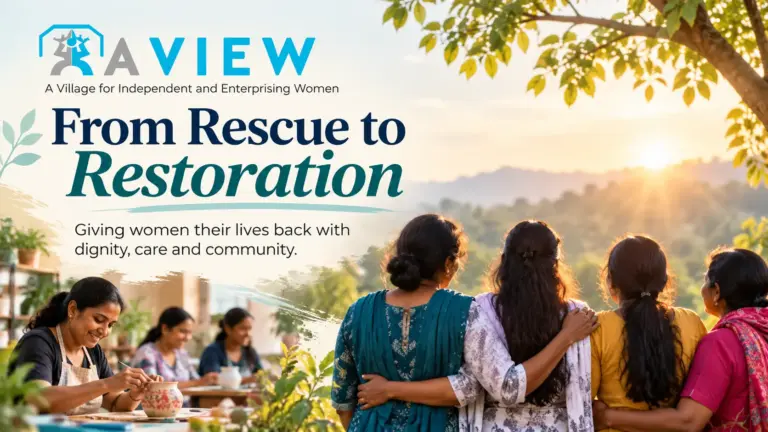
As their condition and abilities permit, women participate in everyday routines and activities such as gardening, organic farming, sewing, quilting, jewellery making and other practical skills.
These activities create opportunities to practise responsibility, build confidence and participate in community life.
Through the AVIEW Way — Rescue, Rehabilitate and Restore, women who are ready may progress towards semi-independent living, independent living or reunification with their families where appropriate.
Importantly, AVIEW’s involvement can continue beyond restoration through medication support, regular contact and follow-up care.
The organisation’s experience demonstrates why rehabilitation should not be treated as a race towards discharge. The objective is to help each woman develop the greatest possible stability, confidence and independence within her circumstances.
Does Mental Health Recovery End After Rehabilitation?
Not necessarily.
A person may complete a residential rehabilitation programme while continuing psychiatric treatment, counselling or community-based support.
Some people eventually manage most aspects of daily life independently. Others may need varying levels of ongoing assistance.
Changes in sleep, behaviour, social participation or medication routines may sometimes indicate that additional support is required.
AVIEW discusses these concerns in its article on mental health relapse prevention and warning signs.
Continuity of care matters because recovery is not simply about reaching a particular milestone.
It is also about helping people maintain the progress they have made.
Frequently Asked Questions About Mental Health Rehabilitation
1. Can mental health rehabilitation take several years?
Yes. People with complex or long-standing mental health conditions may require extended rehabilitation or supported living. The duration depends on individual clinical needs, functional abilities and personal recovery goals.
2. Can someone recover from mental illness without residential rehabilitation?
Yes. Not everyone needs residential rehabilitation. Depending on the condition and level of support required, recovery may involve outpatient psychiatric treatment, counselling, family support and community-based services. A qualified mental health professional can help assess appropriate options.
3. Is psychiatric rehabilitation the same as psychiatric treatment?
No. Psychiatric treatment focuses primarily on managing mental health symptoms and clinical needs. Psychiatric rehabilitation also helps people develop practical abilities, social connections and confidence to participate more fully in everyday life.
4. Can a person live independently after mental health rehabilitation?
Many people can achieve greater independence with appropriate treatment and support. Others may continue to require supported living or regular assistance. Independence should be understood in relation to each person’s needs, preferences and circumstances.
Recovery Has No Fixed Deadline
When someone asks how long mental health rehabilitation takes, they are often looking for reassurance that life can become manageable again.
But recovery is not a competition, and it does not follow the same timeline for everyone.
For one woman, progress may mean remembering how to prepare a meal. For another, it may mean reconnecting with her family after years of separation. For someone else, it may mean earning an income or finding a safe, independent place within her community.
Each of these journeys deserves patience, professional care and continued support.
At AVIEW, that understanding forms the foundation of helping women rebuild their lives with dignity.
To learn more about the organisation’s work, explore AVIEW’s journey from rescue to restoration.
And for those who wish to help make sustained rehabilitation possible for more vulnerable women, support AVIEW’s mission.
Because recovery should never be measured only in days or months, but in the possibilities a person regains along the way.
This article provides general educational information and does not replace individual medical assessment, diagnosis or treatment advice.