
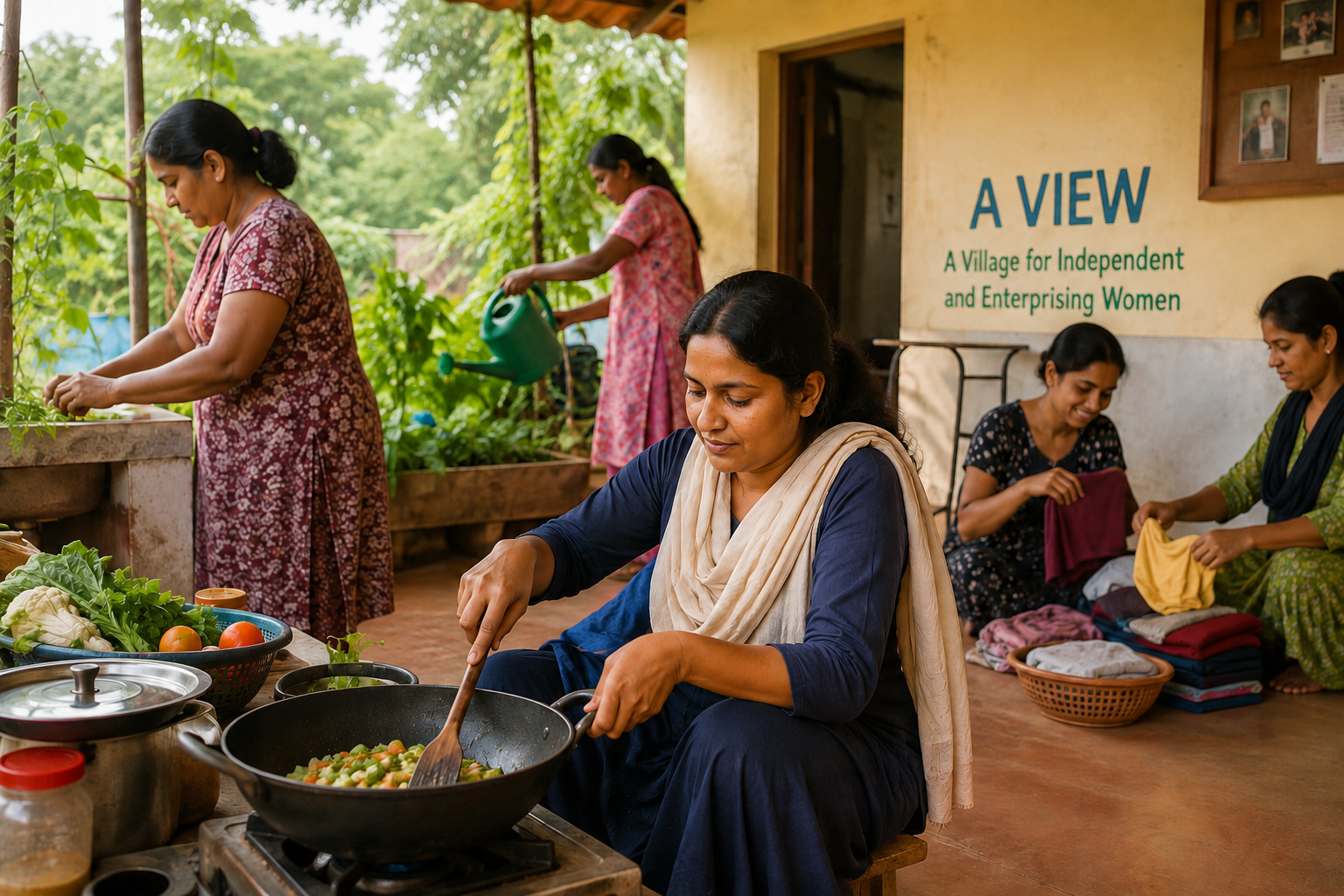
Life skills are easy to overlook because most of us use them without thinking. Cooking a simple meal, bathing, getting dressed, keeping a room clean, taking prescribed medicine on time or buying something from a shop may seem ordinary. During mental health recovery, however, these everyday abilities can become important steps towards confidence and greater independence.
At AVIEW, A Village for Independent and Enterprising Women, everyday functioning forms part of rehabilitation for destitute and abandoned women living with mild to moderate mental illness. Alongside psychiatric care and a safe residential environment, women are supported in rebuilding routines, participating in daily activities and developing practical skills.
Recovery is not measured only by symptoms becoming less severe. It can also be seen in a woman beginning to take part in her own day again.
What Are Life Skills in Mental Health Recovery?
The term life skills covers the practical abilities people use to manage everyday life.
Some are very basic: bathing, dressing, eating and personal hygiene. Others require more planning, such as cooking, shopping, managing money, travelling independently, maintaining a household or remembering medication.
In healthcare and rehabilitation, many of these basic functions are described as activities of daily living, or ADLs.
More complex activities are often called instrumental activities of daily living, or IADLs. These may include:
- Preparing meals
- Shopping for groceries
- Cleaning and doing laundry
- Managing money
- Using transport
- Managing medicines
- Making appointments
- Organising household tasks
These abilities help a person function within a home and community.
Mental illness can sometimes disrupt them. A woman experiencing significant psychological distress may stop bathing regularly, lose confidence in cooking, struggle to maintain routines or become dependent on others for tasks she previously managed.
Relearning or strengthening those abilities can therefore become part of psychiatric rehabilitation.
Why Life Skills Matter for Mental Health Recovery
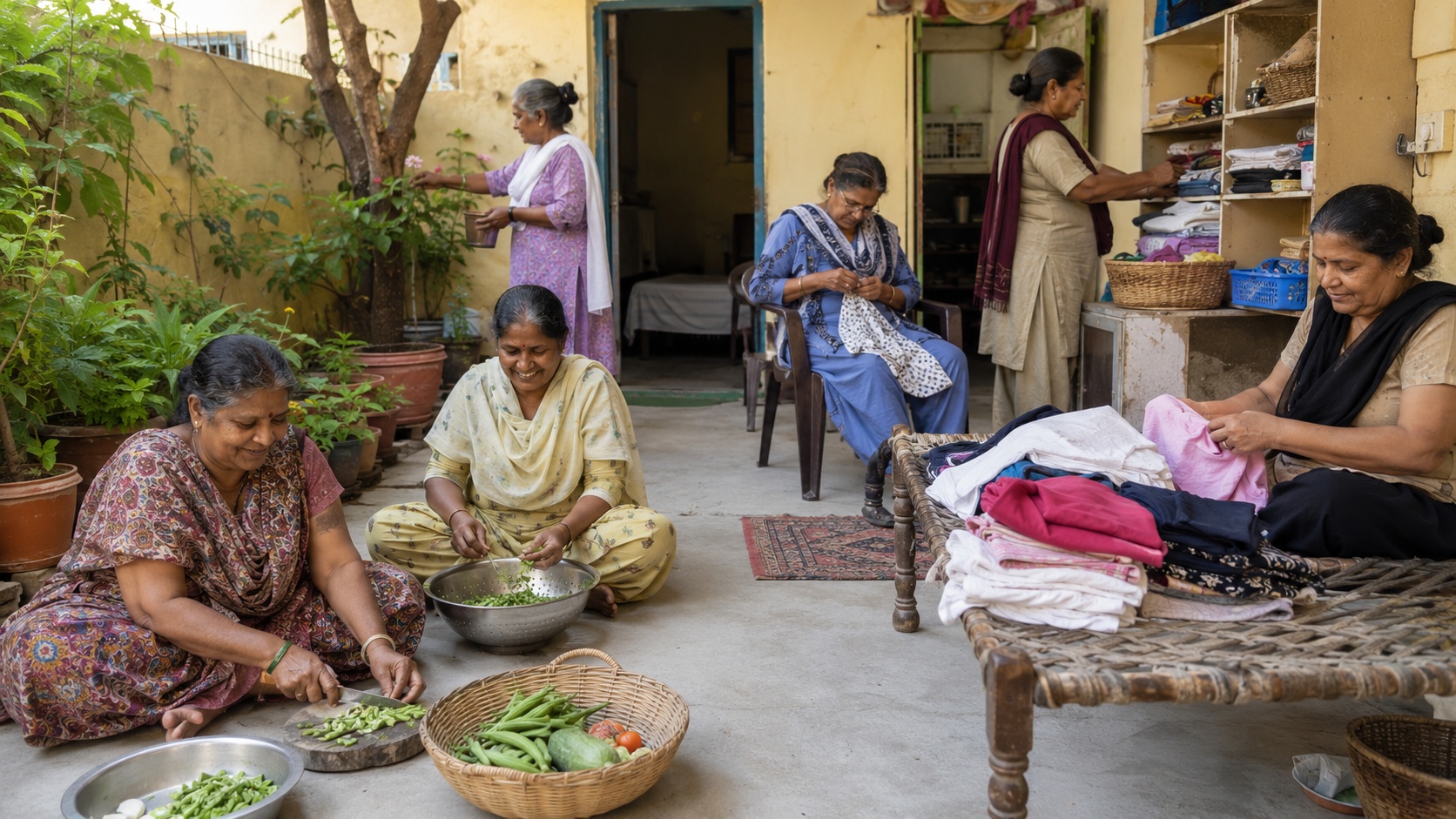
There is an important distinction between being cared for and gradually becoming able to participate in one’s own care.
Someone may initially need substantial help. That support can be essential. But where appropriate, rehabilitation can slowly create opportunities for her to do more for herself.
This might begin with choosing clothes or helping prepare vegetables.
Later, it could mean cooking a meal, organising her belongings or travelling to a familiar place with support.
Each step can contribute to functional recovery – the ability to participate more fully in ordinary life.
The World Health Organization includes life skills training and independent living skills among recovery-oriented psychosocial approaches that may be offered to people with serious mental-health conditions, while stressing the importance of matching support to individual functioning and needs.
That does not mean life skills “cure” mental illness. They are one component of a wider recovery environment that may also include medication, psychiatric care, counselling, social support and supported living.
Activities of Daily Living: The Skills We Rarely Think About
Many daily tasks become automatic over time.
That is why their significance is easy to miss until illness, disability or prolonged instability makes them difficult.
Basic activities of daily living generally include tasks such as:
- Bathing
- Dressing
- Eating
- Toileting
- Grooming
- Moving safely
For a woman rebuilding life after prolonged psychological distress or homelessness, these tasks may need patience and support rather than judgement.
If someone has not maintained personal hygiene regularly, the answer is not humiliation. She may need reminders, encouragement, predictable access to bathing facilities or assistance rebuilding the sequence of an everyday routine.
This is where dignity matters.
The aim is not to make a woman perform normally for other people. It is to help her regain comfort, health, confidence and greater control over her own daily life.
Self Care Activities Are More Than Wellness Trends
Online discussions of self care activities often involve relaxation, journaling, skincare or taking time away from work.
In rehabilitation, self-care can mean something much more fundamental.
It may mean:
- Bathing independently
- Brushing teeth
- Combing hair
- Choosing clean clothes
- Eating regularly
- Maintaining sleep routines
- Recognising when medical help is needed
- Taking prescribed medicine correctly
For someone recovering from severe instability, rebuilding these habits can be meaningful.
Self-care also communicates something deeper: my body and my wellbeing are worth looking after.
That shift cannot be forced. It develops gradually through routine, reassurance and respectful support.
Life Skills Training Should Build Confidence, Not Dependence
Good life skills training should not feel like punishment or a test.
Research evidence about formal life-skills programmes in chronic mental illness remains limited. A Cochrane review found that existing trials were too weak to confidently conclude that structured life-skills programmes improve psychiatric symptoms or quality of life compared with other forms of care.
That uncertainty is important.
It means organisations should not claim that teaching someone to cook or clean will treat mental illness.
The real value of these activities may lie in practical functioning, routine, participation and opportunities for greater independence.
Skills should therefore be introduced according to each woman’s abilities and readiness.
One woman may begin by helping fold clothes.
Another may be comfortable preparing an entire meal.
Progress does not have to look identical.
How AVIEW Integrates Life Skills into Rehabilitation
At AVIEW, practical activity is part of a larger care pathway rather than a standalone programme.
Through The A VIEW Way, residents receive a safe living environment, medical care, food and assistance with prescribed medication alongside everyday activities.
AVIEW explicitly includes activities such as:
- Cooking
- Cleaning
- Showering
- Gardening
- Sewing
- Quilting
- Jewellery-making
- Animal husbandry
- Integrated farming
Some of these are daily living skills. Others are vocational or livelihood-oriented.
Together, they create opportunities for women to participate in everyday life rather than remain passive recipients of care.
AVIEW’s approach is not about expecting every resident to perform every task.
The larger objective is to rebuild routine, confidence, capability and dignity at a pace appropriate to the individual.
Independent Living Skills: Moving Beyond Basic Self-Care
Being able to bathe or dress independently is important, but living in the community often requires more complex abilities.
These independent living skills may include:
- Buying groceries
- Handling cash
- Planning meals
- Travelling by bus or train
- Managing personal belongings
- Keeping track of appointments
- Understanding medicine routines
- Maintaining a living space
- Communicating with service providers
An Indian study from Christian Medical College, Vellore developed a culturally relevant life-skills assessment for people with severe mental illness and included domains such as food management, health management, money management, household tasks, community mobility and vocational abilities.
This Indian context matters.
Independent living in India may involve navigating local markets, public buses, trains, cash transactions, neighbourhood relationships and family structures. Rehabilitation therefore needs to reflect the real environment in which someone will live.
Why Routine Matters
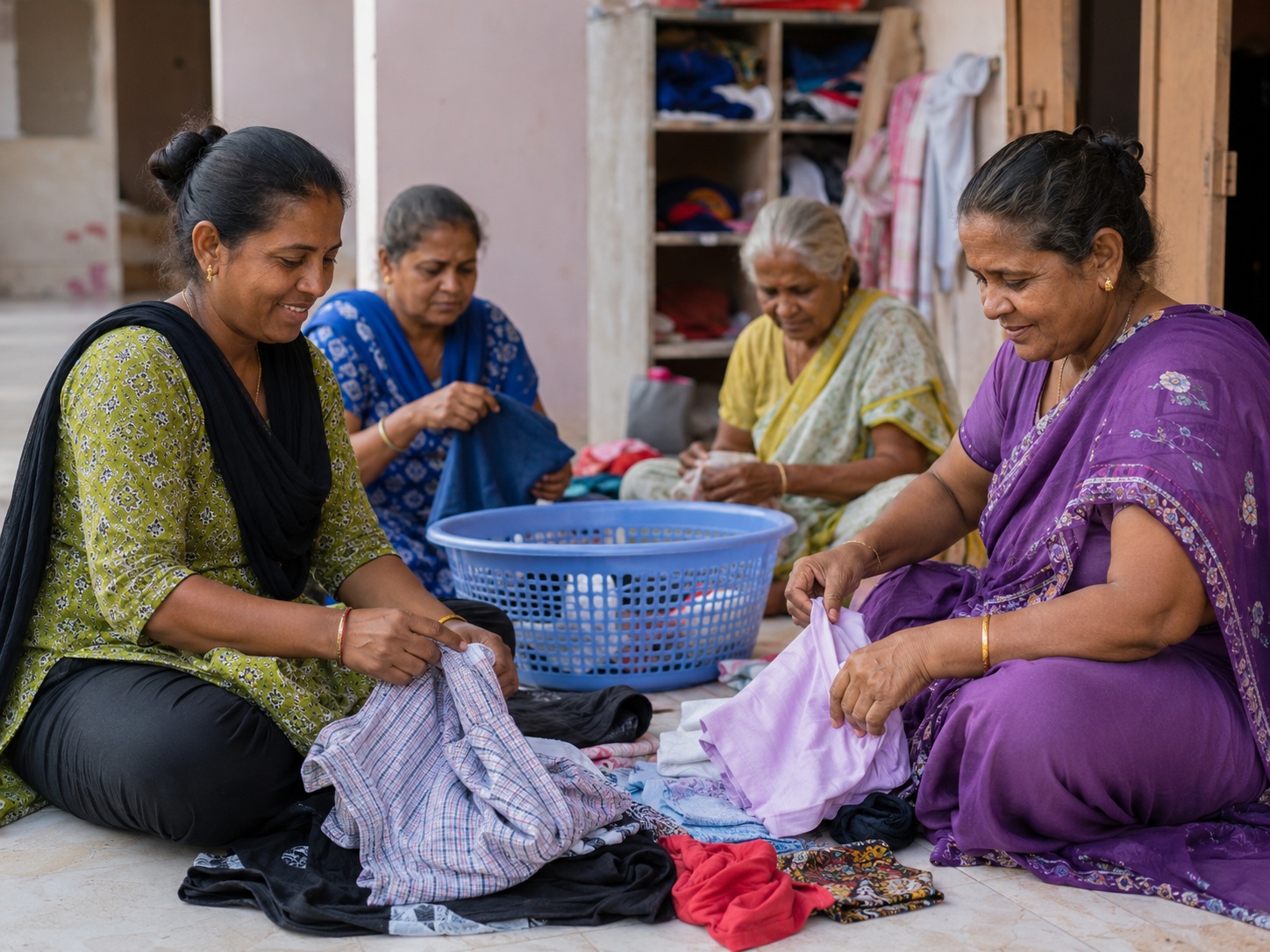
A routine gives the day shape.
Knowing when to wake up, bathe, eat, take medicine, participate in an activity and rest can reduce uncertainty.
For women who have experienced homelessness or prolonged instability, predictability itself may feel reassuring.
Daily routines also create repeated opportunities to practise skills.
Cooking once teaches less than participating regularly in food preparation. Washing clothes once is different from gradually learning when clothing needs to be washed, where supplies are kept and how the task fits into the week.
Repetition can slowly turn assistance into familiarity.
Familiarity can eventually become confidence.
From Life Skills to Vocational Skills
Daily functioning and vocational training are connected, but they are not the same thing.
Life skills help someone manage everyday living.
Vocational skills can create pathways towards work, contribution or income.
At AVIEW, residents may participate in gardening, farming, sewing, quilting, animal care and jewellery-making alongside daily routines.
These activities can help women discover interests and abilities that go beyond basic self-care.
A woman may first learn to organise her own belongings. Later, she may become confident enough to participate regularly in sewing or farming.
That progression matters because independence is not only about doing tasks alone. It is also about having opportunities to contribute.
Life Skills, Choice and Dignity
There is a risk in rehabilitation of treating independence like a checklist.
- Can she cook?
- Can she wash clothes?
- Can she manage money?
Those questions may be useful, but they should never become the sole measure of a woman’s worth.
Dignity means recognising that people need different levels of support.
Some women may eventually live independently.
Others may benefit from supported living or semi-independent environments.
The WHO specifically notes that supported housing and assisted or independent living arrangements should take functional capacity, stability and individual support needs into account.
Success therefore does not mean withdrawing help as quickly as possible.
Sometimes success means knowing exactly what support allows someone to live safely and participate meaningfully.
How Everyday Skills Support Social Reintegration
Returning to community life requires more than clinical stability.
A woman may need to shop, travel, cook, communicate with family members, handle money or organise her own day.
These abilities can make social reintegration more realistic.
AVIEW’s wider model recognises this transition from rehabilitation towards restoration.
Practical skills can help bridge the gap between being cared for inside a supportive residence and participating more independently outside it.
But reintegration should never be rushed.
Families and communities also need to provide acceptance, realistic expectations and continuity of mental-health support.
Small Signs of Progress Matter
Mental health recovery is rarely dramatic every day.
Progress may look like a woman remembering to bathe without prompting.
It may be:
- Preparing tea.
- Folding her clothes.
- Choosing what she wants to wear.
- Remembering her medication time.
- Helping clean a shared space.
- Taking part in shopping.
Each action may appear ordinary from the outside.
For the woman doing it, however, it may represent regained confidence, memory, initiative or trust.
This is why rehabilitation requires patience.
Small steps are still steps.
Conclusion: Life Skills Help Reconnect Recovery With Everyday Life
Life skills matter because life itself is made up of ordinary actions.
Mental health recovery may involve psychiatric treatment, medication, counselling and professional support. But eventually, recovery also has to meet the everyday world: meals, clothing, money, transport, relationships, responsibilities and choices.
At AVIEW, helping women rebuild these abilities forms part of a wider approach to dignity and independence.
The aim is not perfection.
It is participation.
A woman who begins to care for herself, contribute to her surroundings or make more decisions about her day is not simply completing tasks. She is gradually reclaiming parts of ordinary life.
Readers can learn more about AVIEW’s rehabilitation model, explore its work with women living with mental illness or support AVIEW’s work.
Because sometimes recovery is visible not in a dramatic transformation, but in something beautifully ordinary: preparing a meal, choosing a dress or beginning a day with confidence.
Frequently Asked Questions
What are life skills in mental health?
Life skills are practical abilities used in everyday life, including personal hygiene, cooking, cleaning, shopping, managing money, using transport, maintaining routines and communicating with others.
What are activities of daily living?
Activities of daily living, or ADLs, are basic self-care functions such as bathing, dressing, eating, toileting, grooming and mobility. More complex tasks such as cooking, shopping and managing finances are often classified as instrumental activities of daily living.
Why are life skills important in mental health recovery?
They can support everyday functioning, participation and greater independence. Life-skills work should complement – not replace – appropriate psychiatric and psychosocial care.
What are independent living skills?
Independent living skills include tasks needed to function more autonomously in the community, such as shopping, cooking, handling money, travelling, managing appointments and maintaining a household.
How does AVIEW help women rebuild life skills?
AVIEW supports eligible destitute women with mild to moderate mental illness through residential care, psychiatric support, activities of daily living, routine, vocational skills and gradual pathways towards greater independence and social reintegration.