Mental Illness

Emotional Regulation: Why Managing Strong Emotions Matters in Recovery

Strong emotions are part of being human. Recovery is not about eliminating anger, sadness, fear or frustration, but learning how to understand those emotions, respond safely and stay connected to everyday life. Emotional regulation is the ability to notice, understand and respond to emotions in ways that help rather than overwhelm us. During mental health […]


Stress Management Techniques During Mental Health Recovery

Stress is part of life, but during mental health recovery it can feel heavier, more persistent or harder to manage. Practical coping skills, predictable routines and supportive relationships can help reduce overwhelm while keeping recovery grounded in everyday life. Stress management techniques can be useful during mental health recovery because stress affects the way we […]

Sleep Hygiene and Mental Health: Why Rest Matters During Recovery

Rest is not separate from recovery. Consistent sleep, a predictable evening routine and a calm environment can support emotional wellbeing while also making changes in mood, energy and behaviour easier to notice. Sleep hygiene is the term used for everyday habits and routines that support healthier sleep. During mental health recovery, these habits can matter […]

Mental Health Relapse Prevention: Understanding Warning Signs Without Fear or Stigma

Relapse prevention is not about expecting something to go wrong. It is about knowing a person well enough to notice meaningful changes early, respond without judgement and connect her with appropriate support before distress becomes harder to manage. Relapse prevention is not about watching someone with fear or assuming every difficult day means illness is […]

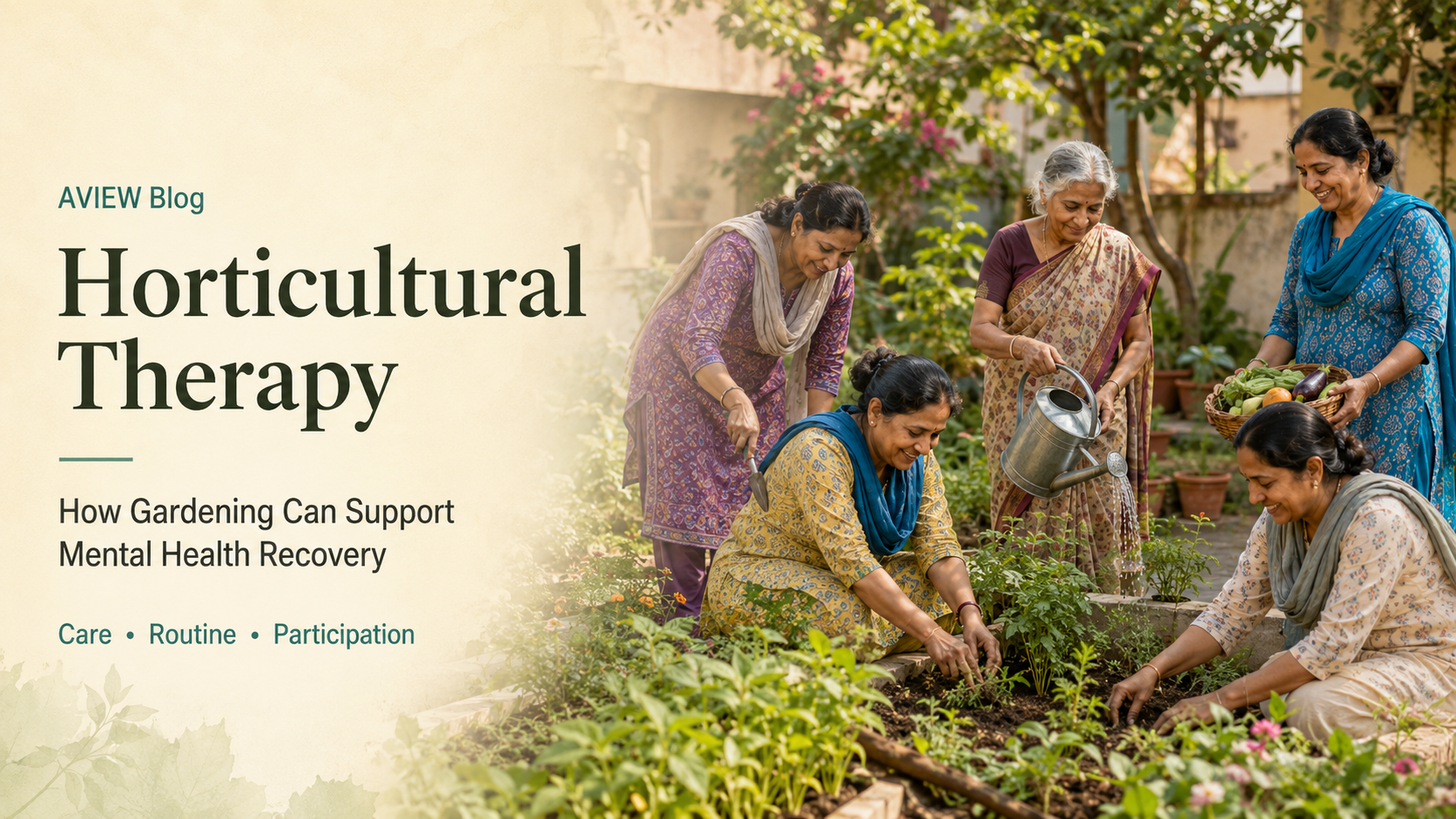
Horticultural Therapy: How Gardening Can Support Mental Health Recovery

For many people, gardening is simply a way to grow flowers, herbs or food. In mental health care, however, horticultural therapy can take on a more structured role. Working with plants, soil and seasonal routines may support mental wellbeing, social connection and a sense of purpose when used alongside appropriate clinical and psychosocial care. At […]